

Peninsula Area Pool Contractor: How Local Businesses Are Creating Resort-Style Outdoor Spaces in California

Business News for Pool Contractor Peninsula Area

California businesses have always understood the value of making a memorable first impression. Across the Peninsula, that impression increasingly begins outdoors. Hotels, restaurants, wellness centers, corporate campuses, residential developments, and event venues are transforming ordinary exterior areas into polished environments that resemble private resorts.

These projects are about more than installing attractive swimming pools. They combine water, landscaping, lighting, architecture, shade, gathering areas, and comfortable furnishings to create a complete guest experience. A carefully planned outdoor space can encourage visitors to stay longer, make a property more desirable, and give a business a visual identity that people remember.

This movement fits naturally within California’s business culture. The state is known for connecting lifestyle, design, technology, hospitality, and environmental awareness. According to the California Governor’s Office of Business and Economic Development, California remains a major center for economic development, innovation, and business growth. For Peninsula businesses competing in demanding markets, an exceptional outdoor environment can become a practical investment in customer experience and long-term property value. 🌴

Outdoor Spaces Are Becoming Business Assets

Commercial outdoor areas were once treated as secondary features. A basic patio, a few planters, and standard seating might have been considered sufficient. Today, businesses are recognizing that exterior spaces can work as actively as their interiors.

A resort-style pool area can provide a hotel with a marketable amenity, give a restaurant additional atmosphere, or turn an apartment community into a more desirable place to live. At a wellness facility, water can create a calm setting that supports the property’s overall purpose. Corporate campuses can use thoughtfully designed outdoor areas for meetings, employee breaks, celebrations, and client events.

This change reflects the broader evolution of California commerce. Coverage from the Los Angeles Times Business section regularly demonstrates how companies throughout the state respond to shifts in consumer expectations, real estate conditions, workforce habits, and competitive pressure. Businesses that create distinctive experiences can stand apart without relying solely on advertising.

A well-designed pool environment also gives a property original visual material for websites, social media, brochures, event promotions, and public relations. Instead of using generic photographs, the business can feature an actual destination that represents its brand.

The Peninsula Offers a Distinctive Setting for Resort-Style Design

The Peninsula provides a unique combination of established neighborhoods, influential business communities, valuable real estate, natural scenery, and access to the greater San Francisco Bay Area. Outdoor design in this region must respond to the character of the property while also meeting high expectations for appearance and performance.

A business may want a sleek pool beside contemporary architecture, while another property may call for natural stone, layered plantings, and softer lines. A boutique hotel might prioritize intimate gathering spaces and dramatic evening lighting. A residential development could require flexible amenities for families, individuals, and community events.

Regional business conditions also influence outdoor investment. The San Francisco Chronicle’s business coverage follows changes affecting Bay Area companies, commercial properties, employment, development, and consumer behavior. In a region where businesses continually compete for attention, employees, tenants, and guests, the physical environment can become an important part of a company’s position in the market.

The best outdoor spaces look connected to their surroundings. They feel like an intentional extension of the building rather than an unrelated addition placed behind it.

Successful Projects Begin With the Complete Experience

Pool construction is one component of a larger outdoor plan. Before design work begins, a business must determine how the finished area will function, who will use it, and what kind of experience it should provide.

A commercial property serving families will have different needs from a private wellness retreat. An event venue may require open gathering areas and attractive photography locations. A hospitality property may prioritize lounge seating, shaded areas, easy circulation, and strong nighttime appeal. A corporate location might value flexibility, privacy, and quiet zones.

Working with an experienced Pool Contractor Peninsula Area businesses can rely on allows the pool, surrounding landscape, and usable outdoor areas to be considered together. This coordination helps establish a consistent design and reduces the risk of separate features competing for space.

The finished environment should guide people naturally through the property. Walkways need to feel comfortable and purposeful. Seating should be placed where guests can enjoy views while maintaining suitable privacy. Shade must be available where it will be needed most. Service access, equipment locations, safety requirements, and maintenance needs should also be integrated without overwhelming the visual design.

Water Features Can Define the Character of a Property

The shape and style of a pool can establish the personality of an entire outdoor space. Clean geometric lines often complement modern commercial architecture, while curved edges can create a softer and more relaxed atmosphere. Raised spas, shallow lounging areas, fountains, and carefully positioned water walls can add movement without making the setting feel crowded.

Water also affects how a space sounds. A controlled spillway or fountain can soften nearby traffic noise and make a property feel more secluded. At night, well-positioned underwater lighting can turn the pool into a visual centerpiece that remains attractive after daytime activities end.

The importance of design is especially clear in California, where the economy includes significant hospitality, tourism, real estate, technology, and professional-service sectors. The Economy of California overview on Wikipedia provides useful background on the state’s economic scale and diversity. That broad commercial landscape creates opportunities for businesses to use distinctive property features as part of their identity.

A pool should therefore be designed as an architectural element, not merely a recreational feature. Its materials, proportions, elevation, and relationship to the building all contribute to the final result. 💧

Landscape Design Completes the Resort Atmosphere

A pool alone rarely creates a complete resort experience. Plantings, hardscapes, lighting, furniture, fire features, and architectural details give the area its sense of place.

California businesses often benefit from layered landscaping that balances beauty with practical maintenance. Trees and taller plantings can frame views or provide privacy. Lower plants can define walkways without blocking sightlines. Ground covers and ornamental grasses can soften hard surfaces and bring movement to the landscape.

Material selection also matters. Stone, porcelain pavers, concrete, wood accents, and metal details should relate to the building and withstand regular commercial use. A beautiful surface that becomes difficult to maintain can quickly reduce the value of the space.

Reporting from CalMatters’ California economy section illustrates the wide range of financial, environmental, insurance, housing, and development issues affecting the state. Those realities make durable planning important. Businesses need outdoor improvements that remain useful and attractive as operating costs and property demands change.

Lighting completes the transformation after sunset. Subtle illumination along steps and walkways improves visibility, while accent lights can highlight trees, walls, water features, and architectural details. The goal is to create depth and atmosphere without making the setting excessively bright.

Sustainability and Efficiency Influence Modern Pool Planning

Environmental responsibility has become an important part of commercial design in California. Pool and landscape projects can reflect this priority through efficient equipment, responsible water management, durable materials, and plant selections suited to local conditions.

Variable-speed pumps, efficient heating systems, pool covers, automation, and properly sized equipment can support more responsible operation. Thoughtful landscape planning can reduce unnecessary irrigation while preserving a lush, welcoming appearance. Materials chosen for longevity may also reduce the need for frequent replacement.

Businesses can follow regulatory and economic developments through resources such as the California Chamber of Commerce, which provides information affecting employers and companies across the state. Awareness of changing business conditions can help property owners make more informed improvement decisions.

Sustainable design does not require a property to look sparse or unfinished. A carefully selected combination of plants, shade structures, permeable areas, and efficient systems can support an upscale appearance. The most effective projects bring environmental considerations into the initial plan so that they feel like part of the design rather than later compromises. 🌿

Resort-Style Amenities Can Strengthen a Brand

A commercial property communicates with visitors before anyone says a word. Its entrance, landscaping, lighting, cleanliness, and gathering spaces all influence how people perceive the business.

For hospitality companies, the relationship is direct. Guests often compare pools and outdoor amenities before booking a stay. Restaurants and event venues benefit when their surroundings create a setting people want to photograph and share. Residential communities can use outdoor amenities to support leasing and retention. Employers may find that inviting exterior spaces improve the daily environment for their teams.

California’s competitive business climate receives ongoing attention from publications such as the Sacramento Bee Business section, which covers economic and commercial developments affecting communities throughout the state. In that kind of marketplace, physical improvements that support both function and brand recognition can provide lasting value.

A resort-style outdoor space can communicate quality, stability, attention to detail, and hospitality. Those qualities influence how customers, tenants, employees, and business partners feel about a property.

Professional Coordination Protects the Investment

Commercial pool and outdoor projects involve many connected decisions. Design, engineering, permits, excavation, drainage, utilities, equipment, finishes, landscaping, lighting, and safety features must work together.

A coordinated approach can help identify conflicts before construction advances. It can also create clearer expectations concerning project phases, site access, material selections, and the long-term care of the finished environment.

Businesses should consider experience, communication, design capabilities, construction knowledge, and familiarity with local conditions when selecting professionals. A low initial estimate does not always represent the best long-term value. Materials, equipment quality, installation standards, and planning all affect future maintenance and performance.

Clear documentation is equally important. Businesses benefit from understanding what is included, how changes will be addressed, which responsibilities belong to each party, and how the completed systems should be maintained. Strong planning provides the foundation for a finished space that looks refined and functions reliably.

California Businesses Are Building Destinations

Peninsula businesses are turning outdoor areas into meaningful extensions of their brands. By combining thoughtful pool design with landscaping, lighting, shade, seating, and architectural details, they are creating places where customers, guests, residents, and employees genuinely want to spend time.

The strongest projects begin with a clear purpose and treat the entire property as one connected environment. Every element contributes to the experience, from the shape of the pool to the location of a walkway or the glow of evening lighting.

As California businesses continue adapting to changing expectations, resort-style outdoor spaces offer something enduring. They create beauty, support practical use, strengthen a property’s identity, and provide memorable experiences in a region where quality design carries real value. A carefully planned outdoor transformation can turn unused square footage into one of a business’s most recognizable and valuable assets.


Colorado Business Spotlight: Parker Deck Builder Raises the Bar for Outdoor Living

Business News for Parker Deck Builder Near Me

Colorado’s strong connection to the outdoors has always influenced the way residents choose to live, build and improve their homes. In communities such as Parker, that connection is increasingly visible in backyards, patios and custom decks designed to function as true extensions of the home. Outdoor living is no longer treated as a secondary home improvement. For many homeowners, it has become an important part of the property itself.

That shift is also creating opportunities for Colorado construction companies that specialize in designing and building outdoor spaces. Parker’s combination of established neighborhoods, newer residential development and proximity to the Denver metropolitan area has created a market where homeowners are looking for craftsmanship, functional design and outdoor spaces that can handle Colorado’s distinctive climate.

For companies serving this market, success increasingly depends on more than simply constructing a platform behind a house. Today’s customers are looking for thoughtfully designed spaces where families can relax, entertain guests, enjoy meals and spend more time outdoors. That trend is helping companies such as Bulldog Builders bring greater attention to the specialized deck-building industry in Parker and surrounding Colorado communities. 🏡

Parker’s Growth Creates Opportunity for Colorado Home Improvement Businesses

Parker has developed into one of the best-known communities southeast of Denver. According to an overview of Parker, Colorado, the town is located in Douglas County and has grown considerably from its earlier roots into an important part of the Denver metropolitan area.

Residential growth has naturally created opportunities for contractors, remodelers, landscapers, deck builders and other companies connected to the housing industry. New homes create demand for customization, while established properties eventually require repairs, upgrades and modernization.

The Town of Parker Development Department oversees areas that include building requirements, planning, permits, development review and construction-related standards. That organized approach to development reflects the larger transformation taking place throughout the community.

For local construction businesses, growth means opportunity, but it also means higher expectations. Homeowners have access to more design inspiration than ever before, and many arrive at a contractor meeting already knowing the general appearance, materials and features they want.

A basic wooden platform may have satisfied previous generations of homeowners. Modern customers often envision an outdoor room with separate areas for cooking, dining, conversation and relaxation.

Outdoor Living Has Become Part of the Colorado Lifestyle

Colorado is naturally associated with outdoor recreation, mountain scenery and an active lifestyle. That identity influences residential design even in suburban communities far from the ski slopes and mountain towns.

A deck can create a comfortable transition between indoor and outdoor living. Depending on the property, it may become a gathering place for weekend meals, summer celebrations, morning coffee or quiet evenings overlooking the backyard.

The broader economic importance of businesses serving Colorado communities is recognized by the Colorado Office of Economic Development and International Trade, which provides resources and support for entrepreneurs, established businesses and companies considering expansion in the state.

Construction and home improvement businesses play a particularly visible role because their work becomes part of the community itself. A completed deck, pergola or outdoor entertainment area is not hidden inside an office or warehouse. It changes the appearance and function of a residence for years.

That visibility places considerable importance on workmanship, materials, planning and design.

Custom Deck Construction Is Replacing the One-Size-Fits-All Approach

Deck construction has changed significantly as homeowners have become more familiar with available materials and design possibilities.

Traditional wood remains part of the market, while composite and other lower-maintenance materials have expanded the choices available to homeowners. Railings, lighting, stairs, built-in seating, multiple levels and integrated shade structures can further transform a deck into a customized outdoor environment.

The best design also depends heavily on the property itself.

Lot configuration, elevation, access points, the architectural style of the home and the intended use of the space can all affect the final design. A deck created primarily for outdoor dining may require a different layout than one intended for large gatherings. Homes with views may benefit from designs that preserve sightlines, while smaller yards may require careful planning to maximize usable space.

For homeowners researching a Parker Deck Builder Near Me, Bulldog Builders represents the type of specialized local company focused on custom outdoor construction rather than treating a deck as an afterthought to general remodeling.

The company serves Parker along with other Denver-area communities and highlights custom deck design and construction as a central part of its services.

Local Knowledge Matters in Colorado Deck Construction

Building in Colorado brings considerations that are different from those found in many other parts of the country.

Strong sunlight, snow, moisture, temperature fluctuations and seasonal weather changes can all affect exterior building materials over time. Material selection and construction practices therefore matter not only to the appearance of a deck but also to its long-term performance.

Local contractors also work within a network of municipal requirements, neighborhood standards, homeowners associations and permitting procedures. Experienced builders understand that a successful project involves far more than selecting attractive decking material.

Planning, measurements, structural considerations, appropriate materials and attention to applicable requirements all contribute to the finished result.

Colorado homeowners are also increasingly conscious of the value of choosing legitimate, established businesses. The Colorado Secretary of State maintains business filing resources that allow consumers and businesses to research entities registered within the state.

For reputable contractors, transparency and professionalism can become competitive advantages in a market where homeowners are making substantial investments in their properties.

Small Construction Companies Remain Important to Colorado’s Economy

The story of a local deck builder is part of a much larger Colorado business story.

Small and locally operated companies help support employment, purchase materials from suppliers, hire subcontractors, work with other service providers and circulate revenue throughout their communities.

The U.S. Small Business Administration Colorado District Office serves businesses across the state with access to programs, counseling, funding information and other resources designed to support entrepreneurship and business development.

The importance of that business community is also reflected by organizations such as the Colorado Chamber of Commerce, which represents employers and regularly addresses issues affecting economic competitiveness, workforce development and the state’s overall business climate.

A successful residential construction company may appear small compared with Colorado’s aerospace, technology or energy industries, but collectively, local businesses make a substantial contribution to the economic health of communities.

Every completed residential project can involve material suppliers, transportation companies, equipment providers and other trades. That network creates an economic footprint extending beyond the contractor completing the project.

Colorado Population Growth Supports Continued Demand for Home Services

Colorado’s population has continued to expand, helping support demand for housing and services connected to residential property.

The U.S. Census Bureau’s Colorado QuickFacts estimated the state’s population at more than 6 million residents in 2025. Population growth creates both new construction and continued investment in existing housing.

As communities mature, remodeling becomes increasingly important.

A house that was built years ago may still meet a family’s basic needs while its outdoor spaces no longer match the way the owners live. Updating those spaces can provide an alternative to moving, allowing homeowners to improve the property they already enjoy.

This creates a continuing market for companies that specialize in targeted improvements such as decks, patios, pergolas, landscaping and outdoor kitchens.

Parker is particularly well positioned for this type of market because it combines suburban residential neighborhoods with a lifestyle that places a strong emphasis on outdoor activity.

The Modern Deck Functions as an Outdoor Room

One of the most important changes in residential design is the way homeowners now think about decks.

Instead of viewing a deck as a single-purpose structure, many owners treat it as another room of the house.

Furniture, outdoor dining areas, grills, fire features, shade structures and lighting can create spaces that feel intentionally designed rather than simply attached to the back of a residence.

That change also places greater emphasis on layout.

Traffic flow matters. The location of stairs matters. Space around a dining table matters. Access from the kitchen matters. Privacy, sun exposure and views matter.

A well-designed project considers how people will actually use the space after construction is complete.

That customer-centered approach is one reason specialized deck builders have carved out a distinct place within the home improvement industry.

Craftsmanship Becomes a Business Differentiator

Construction is ultimately a reputation-driven business.

Advertising can introduce a contractor to a homeowner, but completed work determines what happens next. Outdoor construction is especially visible, making every project a potential demonstration of the builder’s capabilities.

Clean lines, carefully planned transitions, sturdy railings, properly constructed stairs and attention to finishing details can distinguish professional work from a project built primarily around the lowest possible price.

Homeowners are often investing in a structure they expect to use for many years. That makes trust particularly important.

Contractors that communicate clearly, establish realistic expectations and pay close attention to the property can create relationships that lead to referrals and repeat business.

For companies such as Bulldog Builders, that reputation-based model aligns naturally with a community such as Parker, where local recommendations can carry considerable influence.

Outdoor Projects Can Strengthen the Connection Between Home and Community

Outdoor living projects also reflect something broader about Colorado residential life.

A comfortable deck encourages people to spend more time outside. It creates a place where neighbors can gather, families can celebrate milestones and friends can spend an evening together without leaving home.

That may sound like a small change, but residential design affects everyday routines.

The most successful home improvements are often the ones that are used regularly rather than simply admired. A thoughtfully planned deck can become one of the most frequently occupied areas of a home during Colorado’s comfortable seasons.

Pergolas and shade features can extend that usability further, while lighting can allow homeowners to enjoy the space after sunset. 🔨

For builders, creating these spaces requires balancing appearance, durability and practical use.

Parker’s Deck-Building Market Reflects a Larger Colorado Business Trend

Colorado’s residential construction industry continues to evolve alongside changing consumer expectations.

Homeowners increasingly want improvements tailored to the way they live. That trend favors companies with specialized expertise because customers are looking for more than basic construction. They want ideas, material knowledge and a finished space that feels connected to the architecture of the home.

The result is a market where craftsmanship and specialization can help local companies compete.

Parker provides a strong example. Its expanding residential base, established neighborhoods and outdoor-oriented culture create a natural environment for businesses focused on decks and outdoor living.

As homeowners continue investing in their properties, contractors that combine local knowledge with customized construction are positioned to remain an important part of the region’s home improvement economy.

Conclusion

The rise of outdoor living represents more than a design trend in Parker. It is part of a larger shift in the way Colorado homeowners use their properties and the way local construction businesses respond to changing expectations.

Decks have evolved from simple backyard structures into carefully planned living spaces designed for dining, entertaining, relaxing and spending time outdoors.

For Parker-area contractors, that evolution creates both opportunity and responsibility. Customers expect attractive designs, durable construction, knowledgeable guidance and professional service from beginning to end.

Bulldog Builders is operating within that changing market by focusing on custom deck construction and outdoor spaces for Parker and surrounding Denver-area communities.

As Parker continues to grow and Colorado homeowners continue investing in the spaces around their homes, skilled local builders will remain part of an important Colorado business story. Their work is visible in individual backyards, but its impact reaches further through local employment, suppliers, property investment and the continued growth of Colorado’s home improvement industry.

How Mobile Fuel Delivery in Salt Lake Valley Is Helping Business Owners Save Time, Cut Costs, and Keep Moving

Business News for Mobile Fuel Delivery Salt Lake Valley

For businesses that depend on trucks, construction equipment, generators, service vehicles, and other fuel-powered assets, every minute spent away from the job can affect productivity. Across the Salt Lake Valley, business owners and fleet managers are paying closer attention to ways they can reduce downtime, simplify operations, and keep employees focused on revenue-producing work.

One solution gaining attention is mobile fuel delivery. Instead of sending employees and vehicles away from a facility, construction site, yard, or jobsite to refuel, businesses can have fuel delivered directly where their equipment is located. 🚚

The appeal is easy to understand. Fuel is essential, but obtaining it does not have to consume valuable employee time. For companies operating throughout Salt Lake City and the surrounding communities, professional Mobile Fuel Delivery Salt Lake Valley service can turn routine fueling into a more organized part of daily business operations.

Salt Lake City sits at the center of one of the West’s important commercial regions. The broader history and development of Salt Lake City have been closely tied to transportation, commerce, regional access, and its position along the Wasatch Front. Those characteristics continue to matter for businesses that depend on moving people, products, equipment, and materials efficiently.

Time Spent at the Fuel Station Is Time Away From the Business

A trip to the gas station may appear minor when considered as a single event. For a company operating several trucks or pieces of equipment, however, those trips can become a recurring operational expense.

An employee may need to stop working, drive to a fueling location, wait for an available pump, fuel the vehicle or equipment, complete the transaction, and then return to the original location. Traffic and busy fueling periods can extend that process even further.

Multiply that routine across a fleet and across hundreds of working days, and the amount of productive time being redirected toward fueling can become significant.

Mobile delivery changes the process. Fuel comes to the vehicles instead of requiring the vehicles to go to the fuel.

For a contractor preparing crews for an early morning start, that might mean trucks are already fueled when employees arrive. For a company with equipment operating from a central yard, multiple pieces of equipment may be fueled together rather than individually. For businesses with generators, machinery, or equipment that is inconvenient to move, direct delivery can eliminate transportation issues altogether.

The result is not simply convenience. It is a different approach to managing one of the recurring necessities of operating a fuel-dependent business.

Salt Lake Valley Businesses Operate in a Growing Commercial Market

The need for efficient business infrastructure becomes increasingly important as a region grows.

The Salt Lake City Department of Economic Development describes a local economy that includes industries such as logistics, manufacturing, distribution, healthcare, finance, life sciences, outdoor products, and other important sectors. The department also reports that Salt Lake City is home to more than 20,000 businesses.

Many of these industries depend directly or indirectly on transportation and equipment.

Construction companies need excavators, loaders, trucks, compressors, and generators operating when crews need them. Delivery companies rely on vehicles remaining available. Landscapers depend on trucks and equipment moving between properties. Warehousing and distribution operations depend on predictable transportation. Service companies may have employees traveling throughout the valley every day.

For these businesses, fuel management is not an isolated purchasing decision. It is connected to scheduling, labor, fleet management, equipment availability, and customer service.

The Salt Lake Chamber, which dates to 1887 and describes itself as Utah’s largest and longest-serving business association, focuses on economic prosperity and a strong environment for businesses throughout the state. As the region continues attracting businesses and investment, operational efficiency becomes increasingly important for companies trying to remain competitive.

Mobile Fuel Delivery Can Help Reduce Hidden Labor Costs

The price displayed on a fuel pump is only one component of the true cost of refueling a commercial fleet.

Employee time has value. Vehicle mileage has value. Delays have value. Equipment sitting idle has value.

Consider a company that has employees refueling work trucks several times each week. Even relatively short trips can add up when they occur repeatedly across multiple employees and vehicles. The business is effectively paying workers to perform a task that does not directly complete a job, deliver a product, serve a customer, or produce revenue.

There can also be indirect costs. Additional driving increases vehicle mileage. Employees may encounter traffic. Work schedules can be interrupted. Crews can arrive at jobs at different times because some vehicles need fuel before departure.

Mobile fueling creates an opportunity to consolidate that activity.

Instead of dozens of separate fueling trips, fuel can be delivered directly to the company’s location or jobsite according to its operational needs. This allows business owners to evaluate fuel not simply according to the price per gallon but according to the total cost associated with obtaining and managing it.

For companies operating multiple vehicles or equipment, that distinction can become increasingly important.

A Strong Regional Workforce Makes Productivity Even More Valuable

Salt Lake Valley represents a substantial employment center.

The U.S. Bureau of Labor Statistics Salt Lake City-Murray metropolitan area data tracks employment, wages, unemployment, and other economic indicators across the region. BLS data illustrate the scale and diversity of the metropolitan workforce and the many industries contributing to the area’s economy.

For an employer, labor is one of the most valuable resources available.

Saving a few minutes once may not transform a company’s financial results. Saving employee time repeatedly across numerous vehicles, crews, locations, and months can be different.

That is why operational improvements are often most valuable when they address activities that occur again and again.

Fueling is exactly that type of activity.

A contractor may need fuel every working day. A transportation company may need it every shift. A landscaping company may operate numerous trucks and machines throughout the week. A facility with backup generators must maintain fuel availability even when the equipment is not being used continuously.

Reducing the labor connected with these repeated activities gives managers another way to improve productivity without asking employees to work faster or longer.

Reliable Fuel Access Helps Businesses Keep Equipment Moving

Downtime can become expensive quickly when equipment is needed to complete scheduled work.

A truck without fuel cannot make a delivery. A loader without fuel cannot move material. A generator without fuel cannot provide backup power. Construction equipment that runs dry can interrupt an entire crew.

Mobile fuel delivery helps businesses take a more proactive approach.

Instead of relying entirely on individual drivers or equipment operators to notice fuel levels and make separate trips, companies can incorporate fueling into a planned operating schedule. Fuel can be delivered where vehicles and equipment are already located, helping businesses prepare assets for upcoming work.

This can be especially valuable for companies managing numerous vehicles or machines simultaneously.

The economic scale of Salt Lake County also makes efficiency increasingly relevant. According to U.S. Census Bureau QuickFacts for Salt Lake County, the county had more than 35,000 employer establishments in 2023, along with substantial employment in sectors including transportation, warehousing, retail, healthcare, food services, and other industries.

Behind many of those businesses are vehicles and equipment that must remain operational.

Construction and Jobsite Operations Can Benefit Significantly

Construction is one of the clearest examples of where mobile fueling can improve daily logistics.

Heavy equipment is not designed to make convenient trips to a neighborhood fuel station. Excavators, loaders, generators, compressors, skid steers, and other machinery may remain at a project site for extended periods.

Traditionally, businesses may transport fuel themselves, send equipment to another location when possible, or assign employees to manage refueling.

Direct fuel delivery simplifies the process by bringing fuel to the jobsite.

It can also help project managers maintain a more predictable schedule. Crews arriving in the morning can begin work with fueled equipment instead of discovering that a machine needs fuel before the day’s work can proceed.

In an industry where scheduling multiple crews, subcontractors, deliveries, inspections, and equipment is already complicated, eliminating one avoidable interruption has practical value.

Fleet Operators Gain Better Control Over Daily Fueling

Fleet-based businesses face a different challenge.

A company may have delivery trucks, service vehicles, vans, pickups, or other commercial vehicles leaving its facility throughout the day. When each driver becomes responsible for fueling independently, managers have less control over when and where fueling occurs.

Drivers may stop at different stations. Some may refuel before a shift while others do it afterward. Receipts and purchases may require additional administrative tracking.

Centralized mobile fueling can create a more consistent process.

Vehicles can potentially be fueled while parked at the company’s yard or facility, allowing employees to begin their routes without making a fuel stop first.

This matters in a metropolitan area where commercial activity continues to expand. The Utah Governor’s Office of Economic Opportunity supports business recruitment, expansion, entrepreneurship, and economic development throughout the state while highlighting Utah’s continuing emphasis on economic performance and business growth.

As businesses expand, small inefficiencies that were manageable with three vehicles can become much more expensive with 10, 20, or 50.

Fuel Delivery Can Become Part of a Broader Efficiency Strategy

Mobile fueling works best when considered as part of a larger operational strategy rather than merely another way to purchase fuel.

Successful businesses constantly examine how resources move through their operations. They analyze employee scheduling, vehicle routes, equipment use, inventory, maintenance, purchasing, and other repetitive activities.

Fuel belongs on that list.

A company may discover that employees spend more time fueling than management previously realized. Another may find that equipment occasionally sits idle while waiting for fuel. Another may simply want drivers concentrating on customer appointments instead of stopping at gas stations.

These are operational issues rather than fuel-price issues.

Recent reporting from The Salt Lake Tribune on downtown Salt Lake City’s economy has highlighted continued investment, business activity, visitor spending, and development in the urban core. Growth of this kind creates opportunities, but it also increases the importance of efficient logistics for the businesses serving a busy metropolitan market.

Companies capable of completing more work with the same workforce and equipment can place themselves in a stronger position to handle growth.

Convenience Matters, but Business Continuity Matters More

Convenience is one of the most visible benefits of mobile fuel delivery, but continuity may ultimately be more important.

Companies depend on knowing that essential resources will be available when they are needed. Fuel belongs in the same category as equipment, employees, materials, inventory, and power.

A planned fuel delivery strategy can help businesses reduce unnecessary interruptions and prepare for operating demands in advance.

That does not mean every company will use fuel delivery in exactly the same way. A construction contractor may prioritize jobsite equipment. A fleet company may prioritize overnight truck fueling. A property management company may need generator fuel. An industrial operation may have equipment with completely different consumption patterns.

The value comes from adapting fuel delivery to how the business actually operates.

Instead of forcing operations to revolve around trips to fueling stations, companies can make fuel availability fit their schedules.

Less Time Fueling Can Mean More Time Serving Customers

Business owners spend considerable energy finding ways to attract customers, win contracts, improve service, and grow revenue.

Yet profitability is influenced just as much by what happens behind the scenes.

A company that reduces unnecessary driving, idle time, administrative work, and employee interruptions may improve efficiency without changing the product or service it sells.

Mobile fuel delivery represents this kind of behind-the-scenes improvement.

Customers may never know that a contractor’s equipment was fueled before sunrise or that a service company’s fleet was filled while parked overnight. They simply experience the result when crews arrive on time, equipment is ready, and work proceeds without avoidable interruptions.

That is ultimately where operational efficiency becomes customer service.

Conclusion

Salt Lake Valley businesses operate in a region built around movement, commerce, development, and continued economic activity. From contractors and transportation companies to landscapers, service fleets, industrial operators, and businesses relying on backup generators, fuel remains essential to keeping work moving.

The traditional approach of sending employees and vehicles to fuel stations may still work, but it is no longer the only option.

Mobile fuel delivery allows businesses to bring fuel directly to vehicles, equipment, facilities, and jobsites. That shift can help reduce unnecessary trips, recover employee time, limit interruptions, simplify fleet operations, and keep essential equipment ready for work.

For business owners focused on controlling costs, improving productivity, and getting more value from the resources they already have, the benefit is straightforward. Fuel should support the work rather than interrupt it.

In a growing and competitive Salt Lake Valley business environment, even ordinary operational improvements can make a meaningful difference. Companies that find smarter ways to manage repetitive tasks are better positioned to keep crews working, vehicles moving, customers served, and business moving forward.

The Business of RV Wash and Wax: Why Smart RV Owners Protect Their Investment

Business News for RV Wash and Wax

Owning a recreational vehicle represents freedom, adventure, and the ability to travel without giving up the comforts of home. It also represents a substantial financial investment. Whether an RV is used for family vacations, seasonal travel, full-time living, or rental income, its condition has a direct effect on its value, appearance, and long-term operating costs.

Smart RV ownership involves more than maintaining the engine, checking the tires, and preparing the plumbing system for winter. The exterior requires consistent care as well. Sunlight, road grime, rain, insects, tree sap, salt, and environmental pollutants can gradually damage the surface. Regular washing and waxing help preserve that exterior while supporting the owner’s broader financial interests.

The business case for exterior care is straightforward. Preventive maintenance generally costs less than restoration, repairs, or premature replacement. A clean, protected RV is also easier to market, more appealing to renters, and more likely to create a positive first impression. 🚌✨

An RV Is a Significant Financial Asset

An RV is often one of the largest purchases a household makes after buying a home. Depending on its size, age, features, and construction, the purchase price can range from that of a used automobile to that of a luxury residence. Treating such an expensive vehicle casually can lead to unnecessary depreciation and costly cosmetic deterioration.

The U.S. Small Business Administration identifies vehicles and equipment as tangible assets that lose value over time. Although many RVs are purchased for personal enjoyment, the same asset-management principle applies. Owners can rarely prevent depreciation entirely, but they can take reasonable steps to protect condition and slow avoidable value loss.

Routine exterior maintenance should be considered part of the total cost of ownership. Budgeting for cleaning products, protective finishes, inspections, covered storage, and minor repairs creates a more realistic ownership plan. Waiting until the exterior becomes severely oxidized or stained can turn a manageable maintenance task into an expensive restoration project.

Exterior Condition Influences Perceived Value

A buyer, renter, or dealer begins evaluating an RV before stepping inside. Faded siding, black streaks, chalky fiberglass, neglected trim, and stained seals immediately suggest that maintenance may have been postponed. Even when the engine and interior are in good condition, a worn exterior can lower confidence in the entire vehicle.

A clean and glossy finish sends a different message. It suggests that the owner paid attention to details, followed a maintenance schedule, and took pride in the vehicle. This perception can support stronger resale interest and make the RV more competitive in a crowded market.

Industry conditions also affect the importance of presentation. Reuters has reported on changing demand within the American RV market, including the challenges dealerships and manufacturers experienced after the pandemic-era sales surge. When buyers have more choices, condition becomes an especially important differentiator.

A well-maintained RV may not avoid normal depreciation, but it can stand apart from comparable models that show obvious neglect. Good presentation supports better photographs, more attractive listings, and greater buyer confidence.

Regular Washing Removes Harmful Contaminants

An RV exterior is exposed to more than ordinary dust. During travel, it collects insect residue, mud, oil, exhaust particles, bird droppings, pollen, mineral deposits, and road film. Coastal travel can expose the surface to salt, while wooded campsites introduce tree sap and organic debris.

Some contaminants become more difficult to remove when left on the surface. Bird droppings and insect residue may be acidic, while hard-water minerals can leave persistent spots. Dirt can also collect around seals, roof edges, vents, windows, and trim, making it harder to notice early signs of deterioration.

A thorough wash removes this material before it becomes deeply embedded or contributes to staining. Owners should use products compatible with their RV’s fiberglass, gel coat, painted metal, decals, rubber components, and protective finishes. Harsh household cleaners may strip existing protection or damage sensitive materials.

A dedicated RV Wash and Wax process combines cleaning with exterior protection, making it easier to maintain the vehicle’s appearance throughout the travel season. Following manufacturer instructions and working in manageable sections can help produce a more even finish.

Wax Creates a Valuable Protective Barrier

Washing removes dirt, but it does not provide lasting protection by itself. Wax or another suitable exterior protectant creates a sacrificial barrier between the RV’s surface and the surrounding environment. That barrier can reduce the direct effects of ultraviolet exposure, moisture, dirt, and road residue.

Sunlight is one of the most persistent threats to an RV exterior. Ultraviolet radiation can contribute to fading, oxidation, and deterioration of decals and surface materials. RVs stored outdoors are particularly vulnerable because exposure continues even when the vehicle is not being driven.

Wax also helps create a smoother surface. Dirt and water are less likely to cling as firmly, which can make future washing faster and easier. This has practical value for busy owners who want to spend more time traveling and less time correcting neglected exterior damage.

The maintenance principle is similar to the one used by businesses managing working vehicles. The U.S. Chamber of Commerce recommends proactive maintenance schedules to help companies extend vehicle life and control costs. RV owners can apply the same disciplined approach by establishing regular cleaning and protection intervals instead of waiting for visible damage.

Preventive Care Can Reduce Restoration Costs

Oxidation often develops gradually, making it easy to overlook during its early stages. A surface may first lose some gloss, then become dull or chalky. Once oxidation becomes severe, an ordinary wash and wax may no longer be enough. Restoring the finish can require specialized compounds, mechanical polishing, professional labor, or more extensive refinishing.

Preventive maintenance does not eliminate every form of aging, but it can reduce the conditions that accelerate deterioration. Regular cleaning also creates opportunities to inspect the exterior closely. Owners may notice loose trim, cracked seals, damaged caulking, fading decals, roof problems, or small areas of surface damage before they become more serious.

This is particularly important because an RV combines characteristics of a vehicle and a dwelling. As explained in the general history of the recreational vehicle, RVs include living accommodations while remaining designed for travel or temporary use. Their exterior systems must therefore protect both the vehicle structure and the living space inside.

A small failed seal can eventually contribute to water intrusion, interior damage, mold, or structural deterioration. Washing does not repair seals, but a consistent cleaning routine makes careful inspection more likely.

Clean RVs Perform Better in the Rental Market

Some owners use their RVs to generate income when they are not traveling. In that setting, cleanliness becomes part of the customer experience and the business model. Renters compare photographs, reviews, features, prices, and the apparent condition of available vehicles. A clean exterior can help a listing attract attention and establish trust.

Professional-looking photographs are especially important in online rental marketplaces. Sun-faded siding and dark streaks are difficult to hide, while a clean and polished exterior photographs well from multiple angles. Better visual presentation can make the RV appear newer and more carefully managed.

Forbes has covered the income opportunities available through RV rental platforms, while also noting that owners remain responsible for regular maintenance. Exterior care is therefore more than a cosmetic task for income-producing RVs. It is part of protecting the asset that generates the revenue.

A visibly clean vehicle can also influence reviews. Renters often interpret exterior condition as an indication of overall sanitation and management quality. Positive impressions can support repeat bookings, favorable ratings, and referrals.

Appearance Supports Resale and Trade-In Negotiations

Eventually, many owners sell or trade their RVs. Maintenance records, mechanical condition, mileage, age, and market demand all influence value. Exterior appearance adds another powerful factor because it shapes the buyer’s first emotional reaction.

A prospective buyer may be more willing to inspect an RV that looks clean and cared for. Dealers may also find it easier to prepare a well-maintained vehicle for resale. Although washing and waxing cannot erase age or mechanical wear, they can prevent needless cosmetic neglect from weakening the owner’s negotiating position.

Luxury RVs demonstrate the importance of condition particularly clearly. Reuters has reported on the resilience of the high-end RV market, where affluent buyers may continue purchasing premium vehicles even during broader industry slowdowns. Buyers at higher price points generally expect presentation to match the cost.

Owners should keep records of professional detailing, exterior treatments, roof inspections, seal maintenance, and repairs. A documented history provides more credibility than a freshly washed exterior alone. Together, records and appearance tell a consistent story of responsible ownership.

A Maintenance Schedule Makes Exterior Care Manageable

Exterior care is easier when it follows a schedule. The ideal timing depends on climate, storage, travel frequency, surface type, and product instructions. An RV used regularly in harsh sun, coastal air, or winter road conditions may require more frequent attention than one stored indoors.

Owners can create a simple maintenance routine that includes washing after demanding trips, removing insects and bird droppings promptly, inspecting seals during cleaning, and renewing protective treatments as needed. The roof should be cleaned and inspected according to the RV manufacturer’s recommendations.

Professional detailing may be appropriate for large motorhomes, heavily oxidized surfaces, or owners who cannot safely reach elevated areas. The price of professional service should be compared with the time, equipment, physical effort, and risk involved in doing the work without assistance.

This approach reflects sound financial management. The U.S. Chamber of Commerce’s guidance on company vehicle maintenance emphasizes the importance of tracking costs and managing maintenance responsibly. RV owners can benefit from similar recordkeeping, even when the vehicle is used entirely for recreation.

Storage and Washing Work Together

Washing and waxing are most effective when combined with sensible storage practices. Covered storage can reduce exposure to direct sunlight, rain, falling branches, bird droppings, and airborne debris. When enclosed storage is unavailable, an RV cover designed for the vehicle may provide additional protection, provided it is installed and maintained correctly.

The RV should be clean and dry before long-term storage. Covering a dirty surface can trap contaminants against the finish, while trapped moisture may create other problems. Ventilation and periodic inspections remain important during storage.

Parking location also matters. Constant exposure beneath sap-producing trees can create frequent cleaning demands. Areas near sprinklers may lead to mineral spotting, while coastal environments can introduce salt. Choosing the best available storage position reduces the burden placed on wax and other protective products.

Conclusion

RV washing and waxing is not simply about making a vehicle look impressive at the campground. It is a practical form of asset protection that supports appearance, resale value, rental appeal, easier maintenance, and early problem detection.

Smart owners recognize that an RV is both a lifestyle purchase and a financial investment. Regular exterior care helps preserve the enjoyment of ownership while reducing the risk of preventable deterioration. A consistent maintenance schedule, appropriate products, proper storage, and careful inspections can protect the vehicle mile after mile.

The most successful ownership strategy is built on prevention. A clean, protected RV is easier to enjoy, easier to market, and better prepared for the next journey. 🚐💼

How to Start a Ready Mix Business in Midland, Texas

business news for ready mix

The demand for concrete in Midland, Texas, has seen a consistent rise, driven by the booming construction sector, the oil industry, and infrastructure projects. With rapid urbanization and a growing population, the need for high-quality concrete solutions has never been greater. One promising venture that can capitalize on this demand is a Ready Mix concrete business.

Ready Mix concrete offers a convenient, efficient solution for construction projects of all sizes. Instead of mixing concrete on-site, contractors can order pre-mixed concrete that meets specific requirements and is ready to be poured upon delivery. This business model saves time, reduces labor costs, and ensures consistent quality, making it a lucrative opportunity in the fast-growing city of Midland.

If you’re considering starting a Ready Mix business in Midland, Texas, this comprehensive guide will help you understand what it takes to get started, the potential challenges you may face, and strategies to build a successful enterprise.

Understanding the Ready Mix Business

Before diving into the logistics, it’s crucial to understand what the Ready Mix business entails. Ready Mix concrete is a specialized form of concrete that is manufactured in a batching plant according to precise specifications. It is then transported to construction sites using specialized trucks called transit mixers. This method ensures that the concrete is of consistent quality and is delivered fresh and ready for use.

Why Choose Midland, Texas for Your Ready Mix Business?

Midland, located in the heart of West Texas, is part of the Permian Basin, known for its oil-rich fields and robust industrial growth. Here are some compelling reasons to start your Ready Mix business in Midland:

Booming Construction Industry: With numerous commercial, residential, and infrastructure projects underway, the demand for concrete is steadily increasing.

Strong Economic Growth: The region’s economy is driven by the oil and gas industry, leading to significant investment in infrastructure and real estate.

Strategic Location: Midland’s central location within Texas provides easy access to key construction markets in Odessa, Lubbock, and beyond.

Conduct Market Research

Before launching your Ready Mix business, it’s essential to conduct thorough market research. Understanding the local market dynamics will help you tailor your services to meet the needs of contractors, developers, and individual customers.

Analyze the Demand

Assess the demand for Ready Mix concrete in the region. Key factors to consider include:

Local Construction Projects: Identify ongoing and upcoming projects in the area. Large commercial developments, highway expansions, and new residential neighborhoods are prime opportunities.

Seasonal Demand: In Texas, construction activities can be influenced by weather conditions. Peak demand typically occurs during spring and summer.

Target Customers: Your main customers will likely include general contractors, builders, and project managers. Establish relationships with these key players early on.

Study the Competition

Identify existing Ready Mix providers in Midland and analyze their strengths, weaknesses, and market share. Understanding your competition will help you find ways to differentiate your business. Consider offering unique services, such as custom mix designs, 24/7 delivery, or sustainable concrete solutions.

Develop a Business Plan

A well-crafted business plan is essential for the success of your Ready Mix venture. It will serve as a roadmap for your business and is crucial when seeking financing or investors.

Key Components of a Ready Mix Business Plan

Executive Summary: Provide an overview of your business, including your mission, vision, and objectives.

Market Analysis: Summarize your market research findings, including the demand for Ready Mix concrete, target customers, and competitors.

Business Model: Describe how your Ready Mix business will operate, including sourcing raw materials, production processes, and delivery logistics.

Marketing Strategy: Outline how you plan to promote your services and attract customers.

Financial Projections: Include projected income statements, cash flow analysis, and break-even points.

 Secure Financing

Starting a Ready Mix business requires significant investment. You’ll need funds for purchasing equipment, leasing or buying a location, hiring staff, and covering operational expenses.

Funding Options

Bank Loans: Approach local banks or credit unions for business loans. Ensure your business plan highlights the strong demand and profitability potential in the Midland area.

Investors: Consider partnering with investors who have experience in the construction or concrete industry.

Personal Savings: If you have sufficient capital, self-funding can give you greater control over the business.

Cost Breakdown

Here are some of the major expenses you should anticipate:

Equipment: Concrete batching plants, transit mixers, loaders, and concrete pumps.

Real Estate: Leasing or purchasing a location for your plant.

Raw Materials: Cement, aggregates (sand and gravel), and water.

Labor: Hiring skilled operators, drivers, and administrative staff.

Permits and Licenses: Acquiring the necessary local and state permits for operating a Ready Mix business.

Choose the Right Location

Selecting the right location for your Ready Mix plant is crucial. Consider the following factors when choosing a site in Midland:

Proximity to Raw Materials: Being close to suppliers of cement and aggregates will reduce transportation costs.

Access to Construction Sites: A central location within Midland or near major highways will ensure timely deliveries.

Zoning and Permits: Ensure the site complies with local zoning regulations and obtain the necessary environmental permits.

Purchase Equipment

Investing in high-quality equipment is critical for producing consistent and reliable Ready Mix concrete. Here are the key pieces of equipment you will need:

Batching Plant: The heart of your Ready Mix operation. Choose a plant with a reliable control system for accurate mix designs.

Transit Mixers: Specialized trucks designed to transport concrete while mixing it to maintain its consistency.

Concrete Pumps: For efficient delivery of concrete to hard-to-reach areas on construction sites.

Loaders and Conveyors: For handling raw materials like sand, gravel, and cement.

Obtain Permits and Licenses

Operating a Ready Mix business requires several permits and licenses. In Midland, you will need:

Business License: Register your business with the state of Texas.

Environmental Permits: Compliance with air quality and water discharge regulations is mandatory.

Zoning Approval: Verify that your chosen location is zoned for industrial use.

Vehicle Permits: Register your transit mixers and concrete pumps with the Texas Department of Motor Vehicles.

Hire Skilled Staff

Your Ready Mix business will rely on a team of skilled and experienced personnel. Key roles include:

Batching Plant Operators: Responsible for mixing concrete according to specifications.

Truck Drivers: CDL-certified drivers with experience in transporting Ready Mix concrete.

Sales Representatives: To market your services and secure contracts with local contractors.

Quality Control Technicians: To ensure the consistency and quality of your concrete mixes.

Implement a Marketing Strategy

To grow your Ready Mix business, you need a strong marketing plan that targets your ideal customers. Consider the following strategies:

Online Presence: Create a professional website showcasing your services, pricing, and contact information.

Networking: Build relationships with contractors, project managers, and real estate developers in Midland.

Local Advertising: Invest in local SEO, Google Ads, and social media marketing to reach potential customers in the area.

Conclusion

Starting a Ready Mix Midland Texas business, presents a lucrative opportunity given the region’s robust construction industry and economic growth. However, success requires careful planning, substantial investment, and a commitment to quality service. By conducting thorough market research, securing adequate funding, and building a strong team, you can establish a successful Ready Mix operation that meets the growing demand in Midland and the surrounding areas.

With the right approach, your Ready Mix business can become a vital part of Midland’s construction landscape, helping to build the city’s future while generating substantial profits.

Why Large Acreage Vegetation Management in Richwood, WV Is Becoming a Critical Business Priority

Business News for Large Acreage Vegetation Management Richwood WV

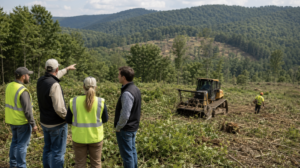
Richwood sits in a landscape where business property, forestland, utility access, road frontage, recreational acreage, and undeveloped parcels often meet within the same stretch of ground. That setting creates opportunity, but it also creates an ongoing responsibility. Vegetation that appears manageable during one season can become a serious operational concern after another cycle of rapid growth, storm damage, invasive spread, or neglected maintenance.

For companies, landowners, developers, utilities, public agencies, and organizations responsible for substantial acreage, vegetation management is no longer a cosmetic service. It is part of protecting access, supporting safety, preserving usable land, controlling long-term costs, and presenting property as a viable asset. 🌿 In a community closely connected to the surrounding Appalachian landscape, the condition of large properties can influence individual businesses as well as wider economic confidence.

The history and geography of Richwood, West Virginia make this especially relevant. Richwood developed around timber, industry, transportation, and natural resources, and the city remains closely associated with the Monongahela National Forest and the mountainous terrain of eastern Nicholas County. Those characteristics give the area a distinctive identity, but they also mean that unmanaged growth can quickly interfere with roads, structures, drainage systems, fences, trails, work zones, and future development plans.

Vegetation Management Protects the Practical Value of Business Property

A large parcel can look impressive on paper while being difficult to use in practice. Dense brush may conceal damaged fencing, unstable ground, discarded materials, drainage problems, erosion, or unauthorized access points. Overgrown areas can make routine inspections slower and more expensive. They can also prevent owners from accurately evaluating how much of the property is suitable for equipment, storage, agriculture, recreation, expansion, or development.

Professional vegetation management restores visibility and access. It allows decision-makers to see the actual condition of the land instead of making plans around a wall of weeds, saplings, vines, and tangled undergrowth. This is particularly important when a business is preparing for an appraisal, insurance review, sale, lease, construction project, or site assessment.

West Virginia’s economic development efforts consistently emphasize the importance of usable sites, available buildings, infrastructure, and land that can support new or expanding operations. The West Virginia Division of Economic Development promotes the state’s diverse commercial and industrial locations, including forested property and developable acreage. Land that is accessible, maintained, and easier to evaluate is naturally better positioned to support those opportunities.

Overgrowth Can Turn Routine Maintenance Into a Major Expense

Vegetation rarely becomes expensive all at once. Costs usually build quietly. A narrow access lane becomes partially blocked. Small saplings become established near a fence. Vines begin climbing structures. Brush spreads into drainage channels. Trees crowd utility corridors. By the time the property owner responds, the work may require heavier equipment, more labor, specialized removal, and additional site repair.

Scheduled management gives businesses more control over that cycle. Clearing, mowing, selective cutting, mulching, and targeted treatment can be planned around seasonal growth and the intended use of each section of land. A maintained property is generally easier to service than a neglected property that must be reclaimed repeatedly.

This matters to local business stability. The Richwood Chamber of Commerce identifies business prosperity, civic improvement, commercial interests, and the welfare of the surrounding area as part of its mission. Well-managed commercial and institutional properties contribute to that broader picture by improving appearance, protecting access, and reducing the chance that preventable land problems become costly disruptions.

Safety Begins With Clear Access and Better Visibility

Large acreage often includes areas that are not visited every day. Equipment may be stored at the edge of a field. Utility components may be positioned beyond the main building. Workers may need to reach remote gates, pipelines, drainage structures, communication equipment, or forest boundaries. When those routes are obstructed, a simple inspection can become difficult.

Vegetation management helps maintain clear sightlines and usable access for employees, contractors, emergency responders, and service vehicles. It may also reduce hidden tripping hazards, improve visibility around intersections and entrances, and make it easier to identify damaged trees or limbs before they fall onto roads, buildings, or work areas.

This does not mean removing every plant from a property. Effective management is selective. The goal is to control vegetation according to risk, land use, environmental conditions, and the owner’s objectives. Some areas may need regular mowing, while others benefit from brush cutting, forestry mulching, invasive plant control, or the preservation of desirable native growth.

Environmental Responsibility Is Now Part of Business Planning

Businesses are increasingly expected to understand how their land-management decisions affect soil, water, habitat, and neighboring properties. Poorly planned clearing can expose soil, worsen erosion, disturb drainage patterns, or spread invasive species. Leaving acreage completely unmanaged can create a different set of problems, including blocked waterways, aggressive plant growth, and reduced access for corrective work.

The West Virginia Department of Environmental Protection is responsible for programs that protect the state’s air, land, and water. Its work highlights the connection between land use, runoff, water quality, and responsible environmental management. Business owners do not need to treat every mowing project as an environmental engineering project, but larger or more sensitive sites should be approached with awareness of drainage, slopes, wetlands, waterways, and permit requirements.

A thoughtful vegetation plan can maintain access while leaving appropriate buffers, retaining useful trees, protecting sensitive ground, and encouraging plants that suit the site. This balance is especially important in West Virginia, where steep slopes and heavy rainfall can magnify the effects of disturbed soil.

Invasive Plants and Forest Health Can Affect Commercial Land

Invasive vegetation can spread rapidly across underused acreage, rights-of-way, disturbed soil, and forest edges. Once established, aggressive species may crowd out desirable plants, interfere with maintenance, reduce visibility, and require repeated control. The problem can cross property boundaries, which means delayed action on one parcel may create complications for adjacent landowners.

The West Virginia Department of Agriculture maintains forest-health programs and information related to pests and threats affecting the state’s trees and plant resources. This is relevant to businesses that own timberland, recreational property, industrial acreage, agricultural ground, or parcels bordering wooded areas. A vegetation contractor familiar with regional conditions can help identify suspicious growth and recommend an appropriate management approach rather than simply cutting everything at the same height.

Research-based guidance also matters. WVU Extension provides resources related to horticulture, sustainable land practices, agriculture, natural resources, and large-scale cultivation. These resources reinforce the value of matching management methods to site conditions instead of relying on a single technique for every acre.

Managed Acreage Supports Expansion and Investment

A company considering expansion needs to know where future buildings, parking, storage, utilities, access roads, or outdoor work areas could be placed. When vegetation prevents accurate measurement and inspection, planning slows down. Surveyors, engineers, environmental consultants, and construction teams may need additional time simply to reach the areas they are evaluating.

Cleared and maintained access does not guarantee that a site is developable, but it makes due diligence more efficient. It can also help owners identify issues early, before money is committed to a design that does not fit the land.

For property owners seeking buyers or tenants, presentation matters as well. A maintained entrance, visible boundaries, open access routes, and controlled growth communicate that the property is being actively managed. That impression can influence how seriously a site is considered, especially when competing properties are easier to inspect.

Large Acreage Management Strengthens Rural Business Resilience

Rural businesses often operate with fewer nearby service providers, longer travel distances, limited alternate access routes, and greater exposure to weather-related disruptions. That makes preventive property maintenance especially valuable. A blocked lane, fallen tree, flooded ditch, or inaccessible utility area can have a greater impact when there is no immediate workaround.

The Appalachian Regional Commission supports economic development across West Virginia by investing in infrastructure, entrepreneurship, community capacity, and opportunities built around local assets. Vegetation management fits into this larger resilience picture because functional land supports business continuity, recreation, tourism, agriculture, forestry, transportation, and future investment.

Richwood’s natural setting is one of its strongest assets. Protecting that setting does not require allowing every commercial parcel to become inaccessible. Responsible management can preserve the character of the land while making it safer, more productive, and more useful to the people and organizations that depend on it.

The Right Approach Depends on the Acreage

Not every property needs the same equipment or schedule. Open fields may require periodic mowing or brush hogging. Thick undergrowth may call for forestry mulching. Fence lines and building perimeters may need selective clearing. Rights-of-way may require recurring maintenance to protect access and visibility. Steep, wet, rocky, or heavily wooded terrain may demand specialized equipment and careful staging.

A capable provider should consider acreage size, slope, soil conditions, existing vegetation, access limitations, nearby structures, waterways, intended land use, and the owner’s timeline. The strongest plan is not necessarily the one that removes the most vegetation. It is the one that produces a controlled, usable property without creating unnecessary damage or recurring problems.

Businesses seeking Large Acreage Vegetation Management Richwood WV should look for a service that can evaluate the entire site, explain the proposed method, identify areas requiring special care, and establish a realistic maintenance strategy. That approach creates more lasting value than a one-time cut performed without regard for what the property needs next.

Conclusion

Large acreage vegetation management has become a business priority because land condition affects far more than appearance. It influences safety, accessibility, maintenance costs, environmental responsibility, emergency response, site planning, property value, and the ability to expand.

In Richwood, where commercial property is closely connected to forests, slopes, waterways, roads, and rural infrastructure, unmanaged growth can create avoidable obstacles. Businesses that address vegetation before it becomes a crisis gain a clearer understanding of their property and more control over future expenses.

The strongest strategy is proactive, site-specific, and tied to the way the land is actually used. By maintaining access, controlling aggressive growth, protecting sensitive areas, and planning ahead, property owners can turn large acreage from a recurring liability into a better-managed business asset.

How Build on Your Lot in Chappell Hill TX Can Support Your Business Growth

Business News for build on your lot Chappell Hill TX

Business growth is not always tied only to a larger office, a better marketing plan, or a stronger sales team. Sometimes, growth begins with the environment where decisions are made, relationships are built, and long-term vision becomes easier to protect. For business owners, executives, investors, and professionals who want more control over their lifestyle and their future, building a custom home on land in Chappell Hill can be more than a personal milestone. It can be a strategic move.

Chappell Hill, Texas offers a unique balance of country privacy, regional access, and long-term property appeal. It gives business-minded homeowners room to create a residence that supports work, family, rest, hosting, planning, and legacy. For those who already own land or are considering buying acreage, build on your lot Chappell Hill TX services can help turn that property into a custom home designed around both personal comfort and business-minded priorities.

Texas continues to receive national attention for its strong economy, population growth, corporate investment, and business-friendly climate. The state’s economic strength is regularly highlighted through sources such as the Office of the Texas Governor’s business announcements, which shows ongoing company relocations, expansions, and investment activity across the state. For business owners looking at where to place roots, Chappell Hill offers a peaceful setting inside a larger Texas economy that continues to attract attention.

Why Location Matters for Business Owners

A business owner’s home is often more than a place to sleep. It can become a planning space, a private retreat, a client hosting environment, and a reflection of the standards behind the business itself. Chappell Hill offers the kind of setting that can support clear thinking and long-term planning without sacrificing access to major Texas markets.

Located in Washington County, Chappell Hill sits within reach of larger economic centers while still offering the character and breathing room of a smaller Texas community. The broader Brenham and Washington County area promotes itself as a place where business can grow between Houston and Austin, with regional economic development resources available through Brenham Washington County Economic Development. That combination of access and atmosphere is one reason custom building can make sense for entrepreneurs and professionals who want both privacy and opportunity.

For many business owners, daily surroundings matter. A crowded subdivision or a home that was not designed for their schedule can create friction. A build-on-your-lot home gives the owner the ability to think about how the property should function from the start. That may include a private office, a separate entrance for occasional meetings, strong internet planning, guest accommodations, outdoor spaces for entertaining, or a layout that separates work from family life.

A Custom Home Can Support Better Work-Life Flow

Business growth requires focus, stamina, and the ability to make good decisions over time. A home that supports those needs can quietly become one of the strongest assets in a business owner’s life. Instead of forcing work into a spare bedroom or trying to host meaningful conversations in a space that was never designed for it, a custom home allows each area to serve a purpose.

A well-planned custom home in Chappell Hill can include a dedicated executive office, built-in storage for records, video call privacy, sound control, and natural light that makes the workday feel less draining. It can also include areas for decompression, fitness, family meals, and outdoor living. That matters because business owners are often carrying pressure that does not stop at 5 p.m. The home needs to support both productivity and recovery.

Texas’ large and diverse economy is often discussed in broader business coverage, including the Economy of Texas on Wikipedia, which provides an overview of the state’s industries, output, and economic role. In a state where business activity continues to expand across many sectors, more professionals are thinking carefully about where they live, how they work, and how their home base supports their goals.

Building on Your Land Gives You More Control

Buying an existing home can be convenient, but it often means accepting someone else’s decisions. The floor plan, orientation, driveway, storage, office space, kitchen flow, outdoor areas, and privacy may not match the way a business owner actually lives. Building on your own lot allows those choices to be made intentionally.

For example, a business owner who travels often may want a low-maintenance layout with secure parking and a smart-home system. Someone who hosts partners, clients, or family gatherings may want a larger kitchen, guest suite, outdoor dining area, and scenic views. A professional who works from home may want a separate office wing that feels quiet and polished. A family business owner may want a property that can support both current needs and future generations.

This type of planning is especially valuable in a place like Chappell Hill, where land, views, trees, access, and property shape can vary from one lot to another. A true custom build considers how the home should sit on the land, how sunlight moves across the property, where privacy is strongest, and how the driveway and outdoor spaces should function. Those decisions can influence daily comfort and long-term value.

Texas Business Momentum Makes Long-Term Property Planning Important

When business owners make real estate decisions, they often look beyond the present moment. They think about stability, appreciation potential, access, lifestyle, and whether the area is positioned for continued interest. Texas has remained a major topic in national business conversations because of its economic size, workforce, and continued investment activity.

The Federal Reserve Bank of Dallas Texas Economic Indicators offers regular insight into employment, business activity, exports, retail sales tax revenue, and broader economic trends across the state. While local markets can move differently, the larger Texas business environment helps explain why many owners and professionals continue to view Texas real estate as part of a long-term wealth and lifestyle strategy.

Chappell Hill offers a different kind of value than dense urban markets. It is not only about square footage. It is about land, privacy, quality of life, and the ability to create something personal. For a business owner, that can be a meaningful advantage. The home becomes a headquarters for life, a place to think clearly, recharge, host well, and build from a stronger foundation.

A Luxury Custom Home Can Strengthen Personal Brand and Confidence

For many business owners, image is not about showing off. It is about alignment. The way a person lives, works, and hosts should feel consistent with the standards they bring to their business. A thoughtfully designed home can create confidence because it reflects care, planning, and attention to detail.

When clients, partners, or colleagues visit, the home can communicate stability and hospitality. When the owner works privately, the space can support discipline and calm. When family gathers, the home can reinforce the reason behind the hard work. This is where custom building becomes deeply personal. It allows the owner to create a property that supports both ambition and peace.

Texas has received continued recognition for its business climate, including state-level announcements such as Texas being named a leading state for business. For business owners who are already investing in Texas, a custom home in Chappell Hill can feel like a natural extension of that confidence.

Chappell Hill Offers Room for Vision

Business owners often think in terms of growth, but growth requires room. Room to plan. Room to host. Room to breathe. Room to build a lifestyle that does not feel squeezed by constant demand. Chappell Hill offers that kind of room while keeping the owner connected to the larger opportunities of Southeast and Central Texas.

A build-on-your-lot project can also allow for future-minded planning. The home can be designed with flexible spaces, guest quarters, outdoor living, storage, energy-conscious features, and room for future additions. This matters for owners who are thinking not just about today’s lifestyle, but about where their family and business may be in five, ten, or twenty years.

The Texas Comptroller’s economic data resources also help show how the state tracks business conditions, revenue, demographics, and economic activity. For anyone making a major property decision, having access to broader economic context can support smarter long-term thinking.

The Right Builder Makes the Difference

Building a custom home on your land requires more than construction skill. It requires planning, communication, budgeting, site understanding, and the ability to translate a client’s goals into a finished home. For business owners, time is valuable. They need a builder who can guide decisions clearly, help avoid confusion, and keep the project moving with professionalism.

A strong custom builder will look at the lot, the owner’s priorities, the desired lifestyle, and the practical details that make the home work day after day. That includes access, utilities, drainage, orientation, floor plan flow, materials, finishes, and long-term maintenance. The goal is not just to build a beautiful home. The goal is to build a home that supports the owner’s life with less friction and more confidence.

For a business-minded homeowner, this kind of partnership matters. The home should feel personal, polished, and purposeful. It should support the way the owner works, rests, entertains, and plans for the future.

Conclusion

Building on your lot in Chappell Hill can support business growth because it gives owners something valuable: control over their environment. It allows them to create a home that supports focus, privacy, hospitality, family life, long-term planning, and personal confidence. In a state that continues to attract business attention and investment, Chappell Hill offers a peaceful and strategic setting for those who want more than a standard home.

For business owners, the right custom home can become a private retreat, a professional asset, and a legacy investment. It can provide the space to think bigger, live better, and build with intention. When the land is right and the builder understands the vision, a custom home in Chappell Hill can become more than a residence. It can become part of the foundation for the next chapter of business and life.

Starting Strong: How to Launch a Pittsburgh Stone Restoration Business in a City Built on Legacy 🏛️

Business News for Pittsburgh Stone Restoration

Pittsburgh is one of the smartest places to build a stone restoration business because the city already tells you what matters here: longevity, craftsmanship, structural pride, and reinvestment. This is a city with deep industrial roots, a diversified modern economy, active redevelopment, and a built environment filled with masonry, historic facades, retaining walls, churches, institutional buildings, bridges, and older commercial properties. Pittsburgh’s economy today is far more diverse than its steel-era identity alone, but its architecture still reflects that heritage, which creates real opportunity for a company that knows how to preserve stone the right way. Wikipedia’s overview of the Economy of Pittsburgh gives a useful snapshot of that broader economic evolution, while the City of Pittsburgh Business & Development page shows that the city continues to support business growth and redevelopment. Pittsburgh is also entering another active cycle of development and revitalization, with local reporting pointing to major projects and renewed momentum in 2026. Axios Pittsburgh’s look at developments to watch in 2026 and the city’s own announcement of Downtown vibrancy initiatives both reinforce the same theme: the market is moving, and businesses tied to repair, appearance, preservation, and property value are stepping into a strong lane.

If you want to start a Pittsburgh stone restoration business, the goal is not simply to become someone who cleans stone. The goal is to become the company property owners, facility managers, churches, building managers, developers, and municipalities trust when aging stone needs to be protected, repaired, stabilized, and made visually impressive again. That takes more than equipment. It takes positioning, licensing discipline, local market focus, and an understanding of how Pittsburgh buildings age in a climate with freeze-thaw cycles, moisture, urban pollution, and decades of deferred maintenance. Done right, this can become a business with recurring commercial work, premium-ticket restoration jobs, and a strong reputation built on visible results.

Understand What a Pittsburgh Stone Restoration Business Really Sells

Stone restoration is not just about aesthetics. In Pittsburgh, it is about preservation, safety, asset value, and credibility. Property owners are not only paying you to improve appearance. They are paying you to protect buildings from further deterioration, avoid bigger repair bills, and maintain the character of structures that matter to neighborhoods, institutions, and businesses. That distinction matters because it changes how you market yourself. You are not selling a pressure washing service with a fancier label. You are selling specialized restoration work for stone facades, entryways, stair systems, retaining walls, columns, monuments, hardscape features, and older exterior masonry components.

Pittsburgh gives you a built-in market for this kind of service. The city has active business district renewal efforts that include facade renovation support and investment in neighborhood commercial corridors, which signals continued demand for contractors who can improve the appearance and lifespan of older buildings. The city’s Main and Main initiative for business district renewal specifically references support tools such as small business loans, facade renovations, housing development incentives, and permitting improvements. For a new stone restoration company, that matters because revitalization creates work. As corridors improve, owners become more willing to invest in visible exterior upgrades.

Build Your Pittsburgh Stone Restoration Business Around the Right Services

A strong stone restoration company needs a focused service list. Too many new businesses try to sound impressive by offering everything. A better move is to build around a core set of high-value services that match Pittsburgh’s building stock. That usually includes stone cleaning, repointing adjacent mortar joints where appropriate, crack repair, patching, sealing when technically appropriate, stain removal, biological growth treatment, surface restoration, historic facade care, and stabilization work on exterior stone elements. You may also expand into related services such as masonry cleaning, limestone restoration, sandstone restoration, granite repair, entryway restoration, church stone preservation, and commercial facade renewal.

Your service mix should match local demand, not abstract ideas. Pittsburgh has a healthy pipeline of downtown activity, small business support, infrastructure work, and redevelopment pressure. The city is also actively pushing improvements in permitting and project review, which is important for contractors entering regulated work on visible structures. The city’s Permits, Licenses, and Inspections portal is essential to review early, because one of the fastest ways to slow down growth is to start selling work before you understand what approvals, registrations, and compliance expectations may apply to your business. The Mayor’s 2026 executive order calling for a review of permitting and licensing processes also signals an effort to make the applicant experience more transparent and efficient.

Choose a Niche Before You Chase Every Job

One of the best ways to start a Pittsburgh stone restoration business is to niche down early. You can still grow later, but your launch becomes cleaner when you know exactly who you serve. In this market, smart niches include historic commercial buildings, churches, schools and institutions, municipal stonework, retaining walls and exterior stair systems, or upscale residential and estate properties in older neighborhoods. You can also focus on relationships with general contractors, property managers, and developers who need a trusted specialist subcontractor.

A niche creates better branding, easier referrals, and stronger pricing. A property manager looking for a serious stone restoration company is more likely to hire the business that looks focused and experienced than the one that also promotes random handyman services. Pittsburgh’s ongoing economic development work supports this specialized approach. The Allegheny Conference’s 2024–2026 regional agenda emphasizes downtown revitalization, economic competitiveness, and growth, while recent reporting highlights continued business and technology momentum in the region. Even if your company is not in the tech space, those trends matter because investment activity creates downstream opportunity for construction, improvement, and property enhancement businesses. Axios reporting on Pittsburgh’s biotech momentum and on AlphaLab’s largest startup cohort yet adds to the picture of a region that is still attracting capital and growth.

Set Up the Business Like a Real Company, Not a Side Hustle

If you want lasting traction, form the business properly from day one. Register your entity, secure insurance, create a professional estimate template, put jobsite safety standards in writing, build a clean website, set up a business phone number, and define your service area clearly. A Pittsburgh stone restoration business should look dependable before the first prospect ever calls. Owners of valuable buildings are not looking for casual operators. They are looking for companies that show up like professionals.

Pricing should also reflect real business math. Restoration work is skill-based and risk-sensitive. That means you need to price for labor intensity, surface testing, setup time, containment where needed, materials, equipment wear, travel, overhead, and profit. Cheap pricing can destroy a restoration company fast because the work is often slower and more technical than customers assume. When you build your estimates, tie the investment to preservation, curb appeal, reduced future damage, and property image. In a city where redevelopment, placemaking, and facade improvement are active priorities, your work supports business visibility and neighborhood presentation in a very direct way.

Go After the First Pittsburgh Stone Restoration Clients the Smart Way

Your first jobs should come from targeted outreach, not broad unfocused advertising. Start with churches, commercial property managers, older office buildings, mixed-use buildings, developers, boutique hotels, schools, funeral homes, apartment operators, and business districts with aging facades. Build a portfolio fast, even if that means taking a few strategically selected projects with tighter margins at the beginning. Before-and-after photography is one of your greatest sales tools because stone restoration is highly visual. People buy what they can see.

A smart launch strategy also includes networking where business activity is already happening. The Allegheny Conference events page can help you monitor networking opportunities tied to regional growth and leadership, while the city’s Small Business Resources page is useful for local support programs and guidance. Your website should feature service pages for the exact terms people may search, such as stone restoration Pittsburgh, historic stone repair Pittsburgh, church stone restoration Pittsburgh, commercial facade restoration Pittsburgh, and limestone restoration Pittsburgh. Pair that with local SEO, a polished Google Business Profile, and project photos that prove you understand Pittsburgh’s architectural character.

Use Pittsburgh’s Built Environment as Your Competitive Advantage

The biggest advantage you have in this business is the city itself. Pittsburgh is full of visual proof that restoration matters. Public restoration work, infrastructure improvements, and park wall restoration all reinforce the value of skilled repair and preservation. A recent city update on the Serpentine Drive Wall Restoration Project is one example of how restoration remains a visible and active part of the region’s built-environment investment. Contractors who know how to speak the language of preservation, durability, and appearance are aligned with what the market already recognizes as important. Pittsburgh is not a city where old stone is irrelevant. It is a city where old stone is part of the brand.

That means your messaging should reflect pride, permanence, and respect for the structure. Speak to owners like someone who understands what their building represents. A restored stone entrance can affect first impressions, leasing appeal, customer confidence, donor perception, neighborhood image, and long-term maintenance costs. This is not cosmetic fluff. It is business value with a visible finish.

Conclusion

Starting a Pittsburgh stone restoration business can be a powerful move because the city already has the ingredients that support it: older buildings, active redevelopment, neighborhood pride, business-district investment, and a market that understands the value of restoring what still has life left in it. Your success will come from treating the business like a specialized restoration company from the beginning, choosing the right niche, building a credible brand, pricing with confidence, understanding local permitting, and showing property owners that your work protects both appearance and long-term value.

Pittsburgh rewards businesses that respect craftsmanship and show up with substance. If you build your company around quality, consistency, visible results, and strong local relationships, a Pittsburgh stone restoration business can grow into far more than a service company. It can become a trusted name in helping preserve the face of a city that keeps reinventing itself without forgetting what it was built from.

How to Start a Dallas Custom Home Plans Business and Build a Strong Local Brand

Business News for Dallas Custom Home Plans

Starting a Dallas custom home plans business can be a smart move for an entrepreneur who understands design, construction, and the way people in North Texas think about homeownership. Dallas is not a sleepy market. It is a major economic center with a deep bench of professionals, steady business activity, strong regional identity, and a constant stream of families, investors, and developers looking for better housing options. The size and visibility of the city alone make it a serious place to build a company, and Dallas remains one of the most recognized business hubs in Texas and the broader South. Dallas continues to stand out as a major corporate and economic center, while local economic development groups also keep highlighting the region’s business-friendly advantages and growth potential.

A Dallas custom home plans business is not simply about drawing beautiful houses. It is about creating a company that can earn trust from homeowners, builders, developers, lenders, and referral partners. It is about showing the market that your plans are buildable, code-conscious, thoughtful, and tailored to the lifestyle expectations of people who want something more personal than a generic production home. If you want to increase Trust Flow, Citation Flow, and Domain Authority around that business, the strategy begins before your website ever goes live. It starts with the kind of company you build, the local signals you create, and the quality of the authority you connect your brand to online.

Start With a Clear Dallas-Focused Business Position

The first step is to decide what kind of custom home plans company you want to be. Dallas is large enough that broad, vague positioning gets ignored. A business that says it does “all residential design” sounds replaceable. A business that says it creates custom home plans for Dallas families, infill lots, luxury rebuilds, suburban move-up homes, or modern transitional homes immediately sounds more relevant.

That clarity matters because Dallas is a city with diverse neighborhoods, distinct buyer expectations, and different development patterns across the metro. A company serving tear-down rebuilds in established neighborhoods should speak differently than one serving clients who are building on larger suburban lots. The same is true for pricing, design style, permitting awareness, and builder collaboration. When your positioning is specific, your website content becomes stronger, your backlinks become more natural, and your brand starts attracting the right kind of traffic rather than random visits that never convert.

Dallas also benefits from a large labor pool, a meaningful graduate pipeline, and a pro-business environment that supports new company formation, which gives service businesses a better platform for launch than many smaller markets. The City of Dallas Office of Economic Development and the City of Dallas Economic Development Corporation annual report both emphasize business attraction, business retention, and a stronger ecosystem for companies operating in the city.

Build the Business on Real Operational Credibility

A Dallas custom home plans business needs more than talent. It needs structure. That means choosing the right business entity, setting up contracts, carrying the appropriate insurance, documenting your scope of work, and making sure your deliverables are professionally presented. Even if your strongest skill is design, your reputation will rise or fall based on how dependable the business feels to a potential client.

Clients shopping for custom home plans are often making major financial decisions. They want confidence. They want to know when they will receive concept drawings, revisions, construction-ready documents, and final plan sets. They want transparency about what is included and what is not included. They want to know whether engineering coordination, builder adjustments, and lot-specific modifications are handled by your firm or by outside partners. The more clearly you define those things, the more trustworthy your company becomes.

That trust matters online too. A site that reflects real business discipline tends to earn better links, stronger mentions, more time on page, and more branded searches. Those signals do not happen by accident. They come from authority, consistency, and a professional presence that people are comfortable referencing. A sloppy site may rank for a little while. A trusted brand keeps building momentum.

Create a Website That Supports Trust Flow and Domain Authority

If your goal is to increase Trust Flow, Citation Flow, and Domain Authority, your website cannot be thin. It needs substantive pages that prove relevance and expertise. Your core pages should include your homepage, an about page, service pages, a portfolio page, process page, contact page, and several Dallas-focused supporting articles that demonstrate local knowledge without sounding forced.

Your homepage should clearly state that you provide Dallas custom home plans. Your service pages should explain what kinds of plans you offer, who you work with, and what makes your approach valuable. Your portfolio should show thoughtful examples with descriptive text, not just images. Your about page should communicate experience, philosophy, and commitment to buildable design. Your supporting articles should cover topics such as designing for Dallas lots, working with builders, choosing a home style, understanding plan revisions, and preparing for the permitting stage.

This is where authority links help. Linking out to high-quality, relevant sources gives your content better context and improves trust for readers. It shows that your website is connected to credible information and not operating in a vacuum. In a Dallas-focused article, it makes sense to reference local and regional sources such as the Dallas Regional Chamber’s update on economic momentum and The Dallas Morning News coverage of Texas economic growth, because these sources reinforce the broader business environment your company is entering.

Make Local SEO Part of the Foundation, Not an Afterthought

A Dallas custom home plans business should be built with local SEO from day one. That means your company name, address, phone number, business category, and service descriptions should be consistent everywhere they appear online. Your Google Business Profile should be complete. Your website should use location-aware page titles, local schema where appropriate, and written content that reflects actual Dallas relevance instead of keyword stuffing.

It also means building citations the right way. Citation Flow improves when your business is mentioned across reputable directories, local business platforms, chamber sites, trade associations, and related industry listings. Trust Flow improves when those mentions occur on quality sites rather than spammy networks. Domain Authority rises over time when your website earns natural links from credible sources, publishes useful content, and avoids thin or manipulative SEO tactics.

A smart local strategy would include publishing well-written articles tied to the Dallas market, building relationships with local builders and real estate professionals, getting featured in community publications when possible, and creating content that other businesses actually want to cite. This works especially well when your content answers real planning concerns for homeowners and developers rather than chasing empty traffic.

The market itself supports that kind of effort. Dallas remains a large and active city with a significant population base, and government data continues to show the scale of the local market. The U.S. Census Bureau QuickFacts for Dallas provide a useful snapshot of the city’s size and economic presence, which is one more reason a specialized planning business can find room to grow here.

Develop Relationships With Builders, Engineers, and Real Estate Professionals

A custom home plans business does not grow in isolation. Referral relationships are one of the strongest ways to build authority in the market. Builders need dependable plan partners. Engineers need clean documentation to work from. Realtors meet buyers looking for lot opportunities or homes that do not yet exist. Investors need plans that make a project more viable. These are not minor connections. They are the network that turns a design practice into a recognizable business.

In Dallas, relationship-based growth can move faster because the broader regional economy remains active and business communities tend to value practical partnerships. The regional chamber has pointed to strong job growth, corporate activity, and continued momentum in the DFW area, all of which support broader demand for professional services tied to development and housing.

Your role is to become known as the company that makes projects smoother. That means delivering plans on time, communicating clearly, understanding revisions without drama, and creating documents that builders respect. When those partners trust you, they talk about your business. That leads to branded searches, backlinks, referrals, and repeated mentions across the web. Those signals strengthen both your real-world reputation and your digital authority.

Study Dallas Housing and Construction Signals Before You Scale

Starting strong is good. Scaling wisely is better. Before adding staff, increasing ad spend, or expanding your service footprint, pay attention to housing and construction signals in the region. A serious business owner does not just watch leads. A serious business owner watches the market.

The Dallas Fed’s DFW economic indicators noted that housing demand declined in early 2026, with existing-home sales down in January, while broader Texas reporting from the Fed has also pointed to a mixed construction environment shaped by cost pressures and softer expectations in some areas. That does not mean the opportunity is gone. It means you build your business with discipline, strong margins, and a clear value proposition rather than assuming demand will do all the work for you.

For a Dallas custom home plans company, that translates into careful pricing, efficient workflows, and services that solve real problems. It can also mean offering plan modification services, builder collaboration packages, lot-fit consultations, and concept-to-construction support rather than relying on a single revenue stream.

Publish Content That Earns Links Instead of Begging for Them

One of the best ways to strengthen Domain Authority is to publish content that deserves to be referenced. A Dallas custom home plans business can do this extremely well because the subject naturally lends itself to useful education. Homeowners want to understand design choices. Builders want clarity. Investors want efficiency. Real estate professionals want content they can share with clients.

Write articles that explain Dallas home design trends, lot considerations, floor plan priorities, luxury vs. practical layout decisions, design mistakes that increase build costs, and the importance of planning before construction begins. Keep the writing substantial, local, and genuinely helpful. Add original visuals when possible. Make the content strong enough that local businesses, bloggers, and property-related websites could reasonably cite it.

Authority is built when your site becomes the place people trust for thoughtful, practical information. That is how better backlinks happen. That is how trust metrics improve in a meaningful way. Not through shortcuts, but through relevance and consistency.

Protect the Brand With Consistency and Professional Presentation

A strong brand helps every metric you care about. If your logo, messaging, visuals, proposal style, and tone are inconsistent, the business feels unstable. If everything looks clean, professional, and confident, people remember you. They are more likely to refer you, mention you, and link to your site.

In a market like Dallas, presentation matters. People expect a polished company. They expect quality in the plans and quality in the way the business shows up. That includes your website, your social profiles, your proposal documents, your email signature, your project galleries, and your online reviews. Each piece strengthens or weakens trust.

A well-positioned Dallas custom home plans business should look like it belongs in the market. It should sound local, feel established, and communicate with confidence even in its early stages.

Conclusion

Starting a Dallas custom home plans business is about more than opening a company and waiting for leads. It is about building a specialized local brand that reflects credibility, market awareness, and long-term value. Dallas gives you a strong foundation because it remains a major economic center with a large customer base, active development culture, and a business environment that still rewards professional, well-run companies.

The businesses that grow in this space are the ones that combine good design with operational discipline, local SEO, relationship building, and content that earns trust. When your website is substantial, your brand is consistent, your authority links are relevant, and your business behaves like a dependable partner, you create the kind of digital footprint that supports stronger Trust Flow, healthier Citation Flow, and better Domain Authority over time.

A Dallas custom home plans business built on quality, local relevance, and real credibility has the potential to become more than a design service. It can become a recognized resource in one of the most important business markets in Texas.

How to Start an Orlando Custom Metal Building Business That Lasts 🏗️